All posts
Outpatient Recovery Services and Living a Normal Life
What Living a Normal Life in Sobriety Actually Looks Like Day to Day
Many people hesitate to start recovery because they fear losing their normal life. They imagine strict routines, isolation, or constant disruption. In reality, outpatient recovery services are designed to support your daily life, not replace it.
Recovery does not mean stepping away from work, family, or responsibilities. It means learning how to move through them with more stability and clarity. At ALT Recovery Group, care is available in Las Cruces, New Mexico, and Chatsworth, Los Angeles. Treatment is built to fit real life, not interrupt it.
If you have ever wondered whether life can feel normal again, the answer is not only yes. It is often more balanced than before.
What Daily Life in Sobriety Really Looks Like
Daily life in sobriety is often simpler than people expect. It does not require perfection. It focuses on consistency.
You wake up. You follow a routine. You go to work or manage responsibilities. You check in with yourself and your support system.
Recovery routines help reduce stress and decision fatigue. They make daily life feel more predictable. That predictability supports mental health and recovery over time.
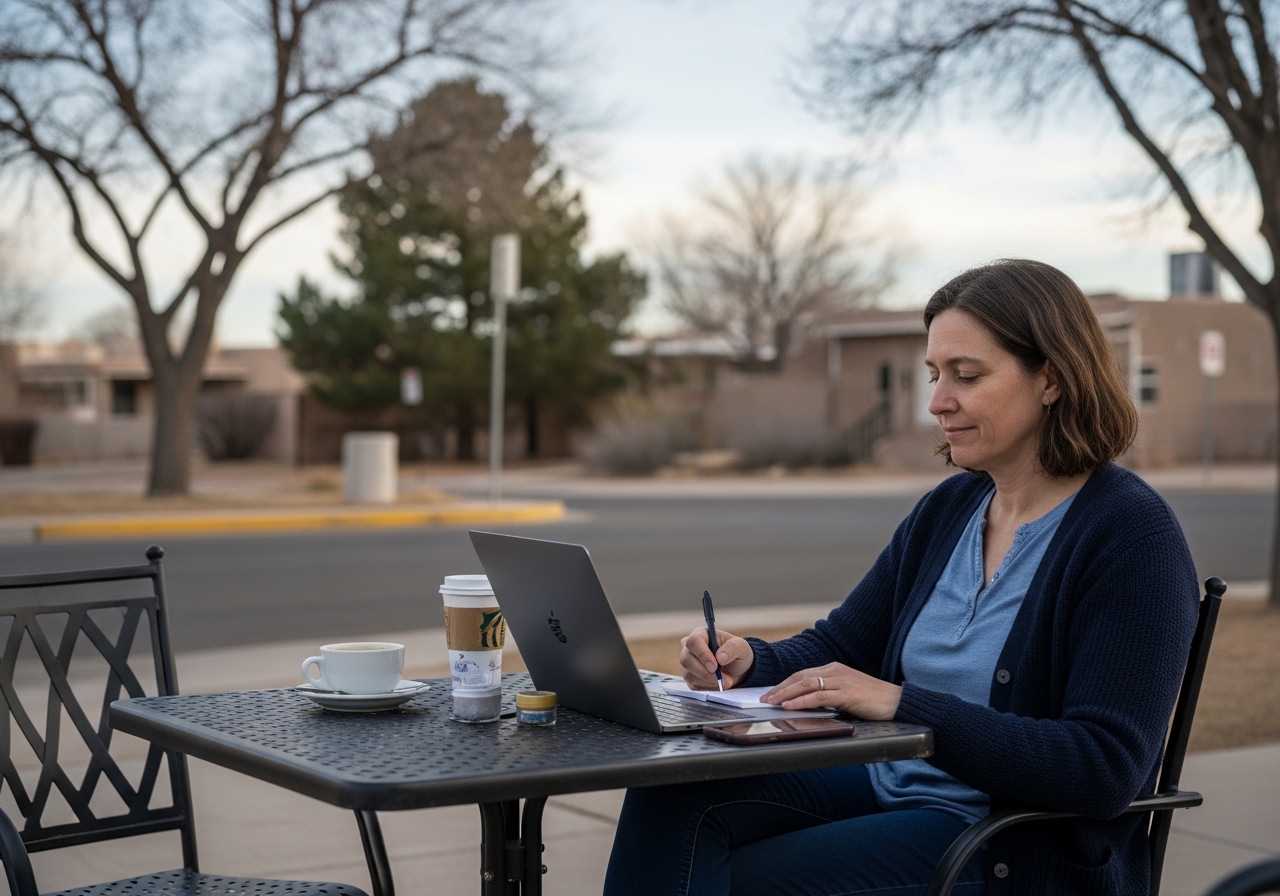
A normal day may include therapy, work, meals, and rest. Nothing extreme. Just structured and intentional.
How Outpatient Recovery Services Fit Into Real Life
Outpatient recovery services are designed to work around your schedule. You attend appointments without leaving your responsibilities behind.
This model allows you to stay connected to your daily environment while receiving care. That connection helps build confidence.
Flexibility Without Losing Structure
You can attend therapy sessions, follow medication assisted treatment plans, and continue working or caring for your family.
Structure remains important. But it is balanced with flexibility. This approach helps people stay engaged in recovery longer.
Why This Matters for Long Term Stability
When recovery fits your life, it becomes sustainable. You are not switching between two separate worlds. You are building one consistent routine.
This is a key difference in modern behavioral health care.
The Role of Therapy in Everyday Stability
Therapy in Las Cruces helps you manage daily stress, not just major challenges. It gives you tools to navigate conversations, emotions, and decisions.
Therapy is not only for difficult days. It supports you in normal moments as well.
Learning to Handle Stress Differently
Stress does not disappear in recovery. Work deadlines, family situations, and unexpected changes still happen.
Therapy helps you respond instead of react. Over time, this reduces emotional overwhelm.
Building Confidence Through Routine
As you repeat healthy behaviors, confidence grows. Small wins become part of your daily life.
This is how stability develops. Not through big changes, but through consistent actions.
How MAT Programs Support a Normal Routine
MAT programs are often misunderstood. Many people think they will feel disconnected or unable to function normally.
In reality, medication assisted treatment supports stability. It helps reduce cravings and emotional highs and lows.
When your system feels more balanced, it becomes easier to focus on daily responsibilities.
MAT programs do not take away your life. They support your ability to live it with more consistency.
Recovery Routines That Feel Natural Over Time
At first, routines may feel structured or unfamiliar. Over time, they begin to feel normal.
Simple habits make a difference.
Waking up at the same time
Eating regularly
Attending scheduled appointments
Checking in with support systems
These routines reduce uncertainty. They also support behavioral health care goals.
Consistency becomes part of your identity, not something forced.
Mental Health and Recovery in Daily Life
Mental health and recovery are connected. When emotional stability improves, daily life feels more manageable.
Some days will still feel challenging. That is part of being human.
Behavioral health care helps you navigate those moments without losing your progress.
Instead of avoiding stress, you learn how to move through it.
What Families Should Understand About Normal Life in Recovery
Families often worry that recovery will isolate their loved one. They may expect major lifestyle changes.
In reality, recovery supports reintegration into daily life.
People continue working, spending time with family, and engaging in normal routines. The difference is in how they handle stress and decisions.
Education helps families shift from fear to understanding.
Living Between Structure and Flexibility
A normal life in sobriety is not rigid. It is balanced.
You have structure to support stability. You also have flexibility to adapt to real situations.
Outpatient recovery services are built around this balance. They help you move forward without disconnecting from your life.
Support Available in Las Cruces and Chatsworth
ALT Recovery Group provides outpatient recovery services, therapy, addiction counseling, and medication assisted treatment in Las Cruces, New Mexico, and Chatsworth, Los Angeles.
Both locations focus on helping people build routines that feel realistic and sustainable. Care is designed to support your life as it is today.
Frequently Asked Questions
How do MAT programs support recovery MAT programs help stabilize cravings and mood, making it easier to maintain daily routines and stay engaged in outpatient recovery services.
Can therapy help even if I feel unsure Yes. Therapy helps you understand stress and build coping skills that apply to everyday life.
What recovery services are available in Las Cruces ALT Recovery Group offers outpatient recovery services, therapy in Las Cruces, medication assisted treatment, and behavioral health care.
Are services also available in California Yes. Care is available in Chatsworth, Los Angeles with the same structured and supportive approach.
Moving Forward With Confidence
Living a normal life in sobriety is not only possible. It is something you build step by step.
Outpatient recovery services support that process by combining structure, therapy, and medication assisted treatment in a way that fits your daily life.
ALT Recovery Group provides this support in Las Cruces, New Mexico, and Chatsworth, Los Angeles. Recovery does not take you away from your life. It helps you live it with more clarity and stability.
Visit AltRecoveryGroup.com to learn more and explore your options.