All posts
How to Talk About Overdose Risk With Someone You Love
How to Talk About Overdose Risk With Someone You Love
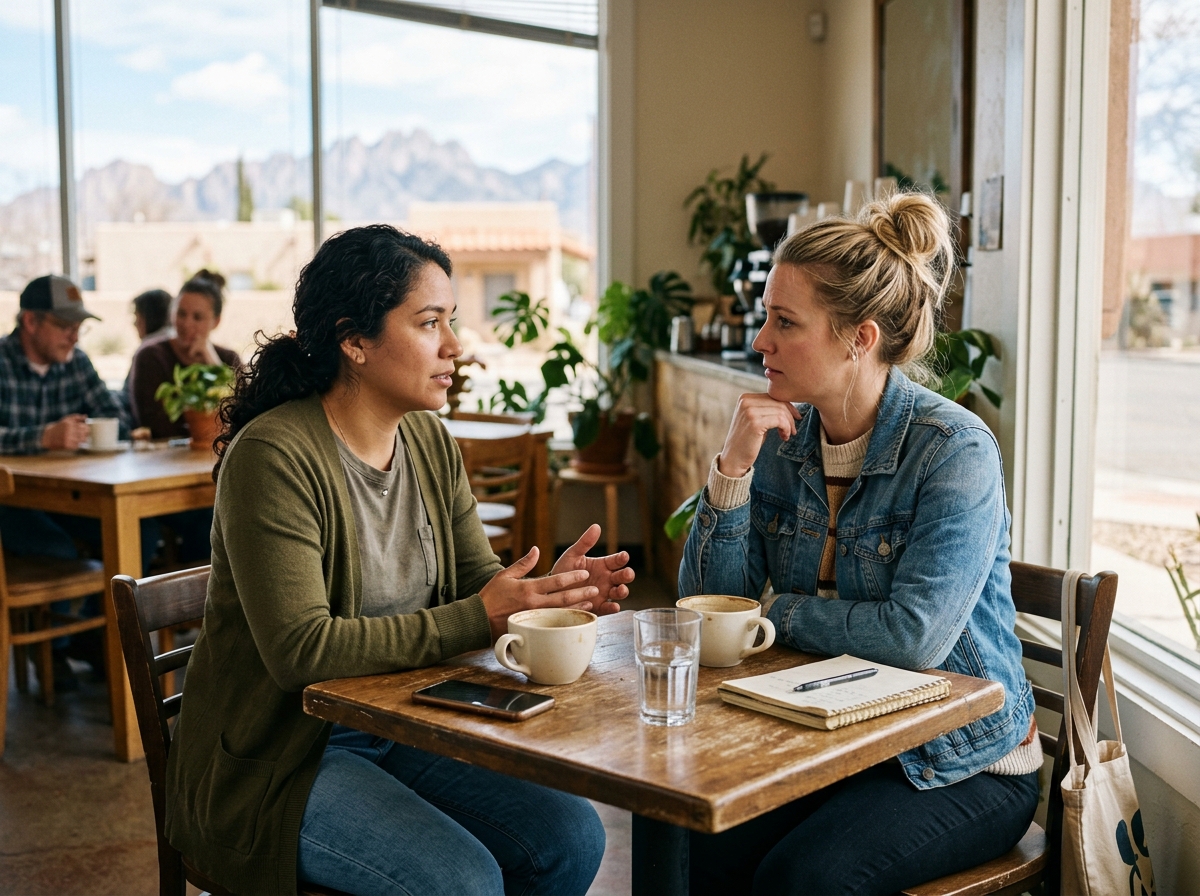
This is the conversation almost nobody has until there is a reason to have it, and by then it is not a conversation anymore. If you have been trying to work out how to talk about overdose risk with a loved one, the useful thing to know is that it goes better when nothing is happening. Calm, early and short beats urgent and emotional every time. International Overdose Awareness Day falls on August 31, which makes this week a reasonable excuse to say something you have probably been carrying for a while.
Why the Timing Matters More Than the Words
People wait for the right moment, and the right moment does not arrive. What arrives instead is a crisis, and a crisis is the worst possible setting for a first conversation about anything.
An early conversation has a different shape. Nobody is defending themselves, nobody is frightened, and the subject can be set down and picked up again later. You are not solving anything in one sitting. You are making the topic sayable, which is most of the work.
How to Open It
Keep the opening small and concrete. Broad questions about how someone is doing get broad answers. A specific question gets a real one.
Ask About Naloxone, Not About Them
Asking whether there is naloxone in the house is a practical question, not an accusation. It puts the focus on preparation rather than on the person, and it is a great deal easier to answer than anything that starts with a worry about them.
Say Why You Are Bringing It Up
Name your own reason plainly. Something as ordinary as saying you read about it and realized you would not know what to do gives the other person somewhere to stand. It is a conversation between two people preparing, not one person assessing another.
What Tends to Shut It Down
Ultimatums close conversations. So do statistics delivered as a warning, and so does any version of the sentence that begins with what they should have done differently by now.
Volume is another one. The instinct when something matters is to press harder, and pressing harder is what makes people agree to end the conversation rather than agree with you. If it starts going that direction, stopping early is not failure. You can return to it.
What Changes Overdose Risk
One piece of information is worth having on both sides of the conversation. Risk is not constant. After a period away from use, whether that came from treatment, a hospital stay or any other break, tolerance is lower than it was before.
That means an amount that once felt familiar is not the same amount to the body afterward. It is not a reason for alarm and it is not a reason to avoid treatment. It is a reason to have naloxone accessible and to talk with a care team about where things stand. If any of this raises questions, they are questions for a professional, not for the internet.
Where to Get Support in Las Cruces and Chatsworth
Naloxone is available at pharmacies in both New Mexico and California without an individual prescription, and community programs in both states distribute it at no cost. Availability changes, so it is worth confirming locally.
ALT Recovery Group can point you toward local options from either clinic, in Las Cruces, New Mexico or in Chatsworth, California. Families call with these questions regularly and you do not need the person you are worried about to be a patient in order to ask.
Frequently Asked Questions
How do I bring up overdose risk without starting a fight?
Start with a practical question rather than a personal one. Asking whether there is naloxone in the house is concrete and easy to answer, and it frames the conversation around preparing together rather than around what someone is doing.
When is the best time to have this conversation?
When nothing is happening. An early conversation is calmer, shorter and easier to return to later. Waiting for a reason usually means waiting until there is a crisis, which is the hardest possible setting.
Why does risk change after time away from use?
Tolerance drops during a period without use, so an amount that previously felt familiar is not the same to the body afterward. This is a recognized risk and it is worth discussing with a care team rather than managing alone.
Where can families get help in New Mexico or California?
ALT Recovery Group has clinics in Las Cruces, New Mexico and Chatsworth, California, and both can point families toward local naloxone access and support options. You can call with questions before anyone becomes a patient.
One Short Conversation, Early
You do not need the perfect words and you do not need to resolve anything the first time. You need the subject to stop being unsayable. ALT Recovery Group is here for those questions in Las Cruces and in Chatsworth. Visit altrecoverygroup.com or call the clinic nearest you.